
Best Marina Management Software in Europe: What to Compare in 2026

Ludvik Ludviksson
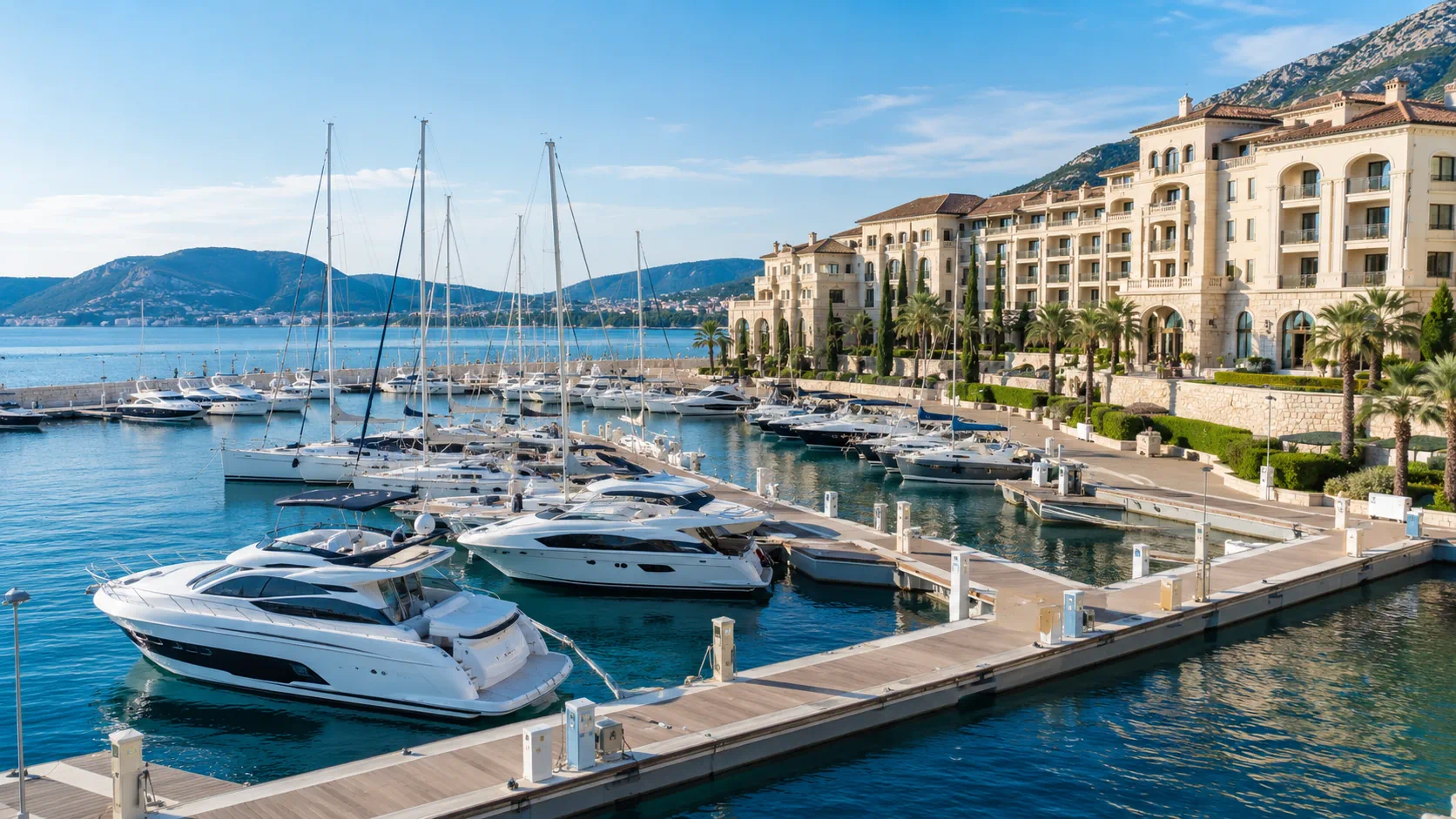
Choosing the best marina management software in Europe in 2026 is less a question of feature count and more a question of operational context. A platform designed for a busy commercial harbour runs differently from one designed to sit alongside a luxury resort PMS. A boater-facing marketplace that helps yacht owners find available berths serves a different purpose from an operating system that helps a resort GM run the dock. In Europe specifically, the right platform also needs to be native to GDPR, € billing and the operational standards of European coastal markets. This guide covers what to compare, why operational context matters more than any individual feature, and what resort properties and marina operators in Europe should look for when assessing the options this season.
Key Takeaways
The best marina management software in Europe in 2026 is the one built for your specific operational context: a luxury resort, a standalone commercial marina and a yacht club all have different requirements, and the right platform depends on which context is yours.
European marina software needs to be native to GDPR compliance, € billing, multilingual guest communication and the operational realities of European coastal markets not designed for North American operations and adapted.
For luxury resort and hotel properties, the most important comparison criterion is PMS adjacency: does the platform sit alongside Opera, Mews or Cloudbeds without conflict and connect marina revenue to the property P&L as a clean commercial line?
Platform maturity matters: look for documented operational outcomes from real named European operators, not feature lists. A platform that delivered measurable improvement at Oban Marina or Peter Leonard Marine is demonstrably more credible than one that only claims capability.
PMS for the room. Harba for the dock. For resort and hotel properties, the right platform runs the marine amenity to the same standard the PMS gives the room, without replacing it.
One database for ops and boaters: the platform should give the dock team, the front desk and the finance department one shared operational picture, not multiple parallel systems that each hold a different version of the truth.
Harba is designed for European resort and marina operations, with documented outcomes from marina and hotel properties across Europe, including a luxury hotel property in Mykonos.
Comparing marina management software for a European operation means navigating platforms that range from specialist berth-booking tools to full marina operating systems, and from North American heritage products to platforms built natively for European maritime operations. The most important first step is understanding which category of platform fits your operational context, before any feature comparison begins.
In 2026, the Right Marina Platform Depends on Whether It Was Designed for Your Specific Operating Environment
The marina software market in Europe covers several distinct categories. Understanding which one fits your operation is the most important decision before any feature list is consulted.
Standalone professional marinas and harbour operations need a platform covering berth allocation, long-term contracts and complex billing. Marina Master serves this segment across European waters.
Boater-facing marketplace tools serve a different purpose. Pick a Pier focuses on the discovery and booking experience for yacht owners: helping boaters find and reserve available berths across participating marinas. A marina using Pick a Pier primarily as a booking channel is accessing a distribution marketplace, not running a full management system. The two can coexist, but one is not a substitute for the other.
Luxury resort and hotel properties represent the third category, and the one this guide is primarily written for. The dock at a luxury resort sits inside a hospitality operation. The dock team shares guest data with the front desk. Marina revenue belongs on the same P&L as F&B, spa and rooms. The PMS is already running the building, and the dock needs a platform that runs beside it, not one that creates a parallel operation.
Identifying which category your operation sits in is the starting point for any meaningful software comparison in 2026. If the dock is part of a luxury hospitality property, the resort category is the one that sets the right evaluation criteria.
European Marina Software Must Be Native to GDPR, € Billing and the Operational Realities of Coastal European Markets
Geography matters significantly in marina software selection for European operators.
Platforms designed primarily for North American operations were built for a different billing, compliance and regulatory context. Dollar billing, different payment rails, a pre-GDPR data framework and different marina infrastructure conventions are part of the design DNA of those platforms. Using them in a European context requires adaptation at every layer: billing currency, data handling, payment processing and guest communication standards.
European marina software, designed natively for the continent, handles € billing as standard, operates within a GDPR-compliant data framework, supports multilingual guest communication and understands the seasonal patterns, vessel types and guest expectations of European coastal markets. For Mediterranean resort properties, this includes familiarity with mooring pole infrastructure, tender operations and the high-spend yacht charter segment. For Scandinavian operators, it means understanding the infrastructure and booking conventions of Danish, Swedish and Norwegian harbour networks.
The NIS2 Directive, now a substantive part of the European regulatory landscape for digital operations, is also relevant for hotel groups and chains evaluating marina software that will hold guest and payment data. A platform designed for the European market should answer procurement questions about data handling, access controls and system security specifically and clearly, because those questions were part of the design context from the start.
For a resort GM or hotel chain procurement team comparing platforms in 2026, asking "where was this platform designed?" is one of the most useful early questions in the process.
Resort and Hotel Properties Should Compare Marina Platforms Against Six Specific Criteria Rather Than a Generic Feature List
For a luxury resort or hotel property with marina infrastructure, the evaluation criteria differ materially from those that apply to a standalone commercial harbour. The six criteria that matter most:
PMS adjacency without conflict. The platform must sit beside Opera, Mews, Cloudbeds or a chain's internal stack without requiring significant workarounds. The goal is two purpose-built platforms sharing one commercial picture: the PMS for the room, the marina platform for the dock. Any platform that requires the PMS to be extended or reconfigured to accommodate the marina adds operational complexity rather than removing it.
Guest experience standard at the dock. Booking confirmation, arrival management, payment and guest communication processes at the water should match the standard the rest of the property sets. Self-service booking for arriving yacht guests, digital payment and automated arrival communication should be core capabilities in the platform, not additions that require separate tools.
Marina billing that connects to the property P&L. Berth charges, shore power and dock services should feed into the same commercial reporting the finance team uses for rooms, F&B and spa. The right platform reduces reconciliation work. The wrong one produces a new set of it in a different format, which finance then has to manually translate.
Live, map-based berth and availability view. A static list of berth allocations is not adequate for a busy luxury marina at peak season. The dock team needs a live, visual view of availability, bookings and vessel details so they can make confident operational decisions in real time, without calling back to the dock manager to ask what is current.
Integrated electricity metering. Shore power is a consistent source of billing disputes and guest friction when it is managed through manual readings. Integrated smart metering, connected to the billing system automatically, should be a native feature of the platform, not a costly module that requires a separate setup.
Clear, verifiable data handling standards. Hotel groups and chains have procurement requirements. A credible vendor welcomes those questions and provides specific, verifiable answers about data access, permission controls, guest information handling and system security. A vendor that responds to procurement questions with general assurances rather than specific answers is worth treating with caution.
Documented Outcomes from Real Named European Operators Are Worth More Than Any Feature Comparison
A feature list tells you what a platform claims to do. A documented operational outcome from a real named operator in comparable conditions tells you what it actually delivers. That distinction matters most when the evaluation is under time pressure and the decision affects an entire season.
When comparing platforms, the most useful evidence is specific, named and verifiable. A platform that has delivered measurable improvements in check-in time, invoicing speed or billing accuracy at a named European operation is demonstrably more credible than one that lists the same capabilities without supporting outcomes.

Oban Marina in Scotland reduced vessel check-in time from 20–30 minutes per vessel to under 5 minutes after moving to Harba, and eliminated the need for a dedicated reception desk during peak season. Peter Leonard Marine in England moved from an invoicing process that took days to one that now takes minutes after switching to Harba. Luxury hotel properties with mooring infrastructure, including a resort property in Mykonos, have moved from parallel Excel operations to Harba, giving the dock team and front desk one shared picture of every guest, booking, payment and service request at the water.
These are the kinds of outcomes to look for when comparing platforms: not claimed capability, but delivered, named improvement in real European operations. Any platform being seriously considered for a resort property or professional marina in 2026 should be able to provide the same level of specificity.
Marina Software for Europe in 2026 Must Manage the Full Dock, Not Just Berth Bookings
A common error in marina software comparisons is focusing on the booking layer while underweighting the operational, commercial and guest-experience layers that determine whether the platform actually runs the dock or simply records it.
A booking-only or berth-allocation-only tool may handle reservations adequately. It leaves billing, guest management, shore power, service coordination and reporting to manual processes. The result is a partially digitised dock that still depends on spreadsheets for the parts the booking tool does not cover, and a dock team that spends significant time manually connecting systems that should be connected automatically.
The platforms that deliver the most operational improvement for European resort and marina properties are those that cover the full operational picture from one environment: berth and mooring management, yacht guest CRM, payment and invoicing, shore power metering, service management and reporting. The booking layer is a component of that picture, not a substitute for it.
Harba's HarbaMaster platform covers berth and mooring management, guest CRM, invoicing, payments, marina maps, space assignment and reporting in one connected operating environment. HarbaGuest supports yacht guest self-booking and digital arrival flows. HarbaPower handles electricity metering, remote control and automatic billing for shore power infrastructure. Harba's Dry Stacks module covers out-of-water boat management. These are connected components of one platform, designed to run together.
Harba Is Built for European Resort and Marina Operations, with the Operational Proof to Match
Harba is the operating system for the dock: built for the marine-amenity operations of luxury resorts, hotels and professional marina operators in Europe, and native to the operational and regulatory context of European coastal markets.
For resort and hotel properties, the position is direct. The PMS runs the room. Harba runs the dock. Both sit alongside each other, purpose-built for their respective roles, without conflict and without duplication. Built for the way luxury European hospitality actually runs, Harba sits alongside Opera, Mews, Cloudbeds or a chain's internal stack; the marine amenity and the building operating as one property, to one commercial standard.
The transition from existing processes to Harba is designed to happen within one season. From parallel Excel to PMS-grade marine ops in one season: that is what the move looks like for most European resort and marina operations. Operators who want to review documented outcomes before committing can access customer cases and operational guides through the Harba website.
For a structured vendor evaluation framework designed for the decision stage, see Harba's Marina Software Comparison: How to Evaluate Vendors.
The Right Marina Software for a European Resort in 2026 Is Built for the Hospitality Context from the Start, Not Retrofitted to It
The distinction that matters most for a luxury resort GM choosing marina software in 2026 is not which platform has the longest track record in commercial ports. It is which platform was designed for the hospitality operating environment from the start, and which was designed for a different context and adapted.
A platform built for the hospitality context natively handles PMS adjacency without workarounds, because the PMS relationship was part of the design brief. It handles the guest experience standard at the dock natively, because that standard was an original design requirement. It handles GDPR and European data requirements natively, because it was built in and for the European market. It connects marina reporting to the same commercial picture the GM reviews for every other area of the property, because that visibility was designed in from the start.
That is the comparison that matters in 2026: not which platform has more listed features, but which platform was designed for the way your property or marina actually operates.
Take the helm and choose the platform that was built for the dock your property deserves.
Ready to see how Harba runs a resort or marina dock? Book a free demo.
Frequently Asked Questions
1. What is the best marina management software in Europe in 2026?
The right answer depends on operational context. A luxury resort or hotel property needs a marine-amenity platform designed to run the dock alongside Opera, Mews or Cloudbeds, connect marina reporting to the property's commercial picture and deliver a guest experience standard that matches the rest of the property. Harba is designed for the resort and hotel context, with documented outcomes from European operators including a luxury hotel property in Mykonos.
2. How does Harba compare with Marina Master?
Marina Master is a well-established platform designed for professional standalone marina and harbour operations. Harba is designed for resort and hotel properties as well as standalone marina operations, with PMS adjacency, hospitality-grade guest workflows and resort-level commercial reporting as core design principles. The right choice depends on whether the dock is part of a hospitality operation or a standalone professional marina.
3. Is Pick a Pier a marina management system?
Pick a Pier is primarily a boater-facing marketplace and booking tool: a platform for yacht owners to discover and reserve available berths across participating marinas. It is not a full marina management system for the operations team. A marina using Pick a Pier as a booking channel still needs a platform to run the operational, billing and guest management side of the dock. The two tools serve different purposes and are not direct substitutes.
4. What makes marina software European-native, and why does it matter?
European-native marina software handles € billing as standard, operates within a GDPR-compliant data framework, supports European payment processing and multilingual guest communication, and understands the operational and regulatory context of European coastal markets. Platforms designed primarily for North American operations require significant adaptation to meet European requirements, which creates operational friction that a natively-designed platform avoids.
5. What should a luxury resort compare when evaluating marina software in 2026?
The six most important criteria for a resort or hotel property are: PMS adjacency without conflict, guest-experience-standard booking and arrival workflows, marina billing that gives the finance team a clear and attributable view of dock revenue alongside the rest of the property, live map-based berth availability, integrated electricity metering, and clear data handling standards that satisfy chain procurement requirements. Feature count matters less than whether the platform was designed for the hospitality operating context from the start.
6. How quickly can a European resort or marina move from spreadsheets to dedicated software?
For most European resort and marina properties, the transition from manual processes to a connected platform takes one season. The rollout is staged around the most critical workflows first: berth data, guest records, bookings and payment. From parallel Excel to PMS-grade marine ops in one season is the practical outcome for most properties, with data migration, marina map setup and staff training included in the implementation rather than added later.
Relaterede blogs
More guides for resort and marina operators